
24/7 SEATTLE & PUGET SOUND
24/7
Car won’t turn over or clicking rapidly? RainHook rapid-response roadside units arrive equipped with commercial high-amperage booster packs to revive your 12V or 24V battery safely without risking sensitive vehicle electronics.
TO GET YOU BACK ON THE ROAD
COMPREHENSIVE BATTERY JUMPSTART SERVICES
Engineered to resolve punctures, blowouts, and pressure loss quickly wherever you are stranded without paying tow truck fees.
FEATURE 01
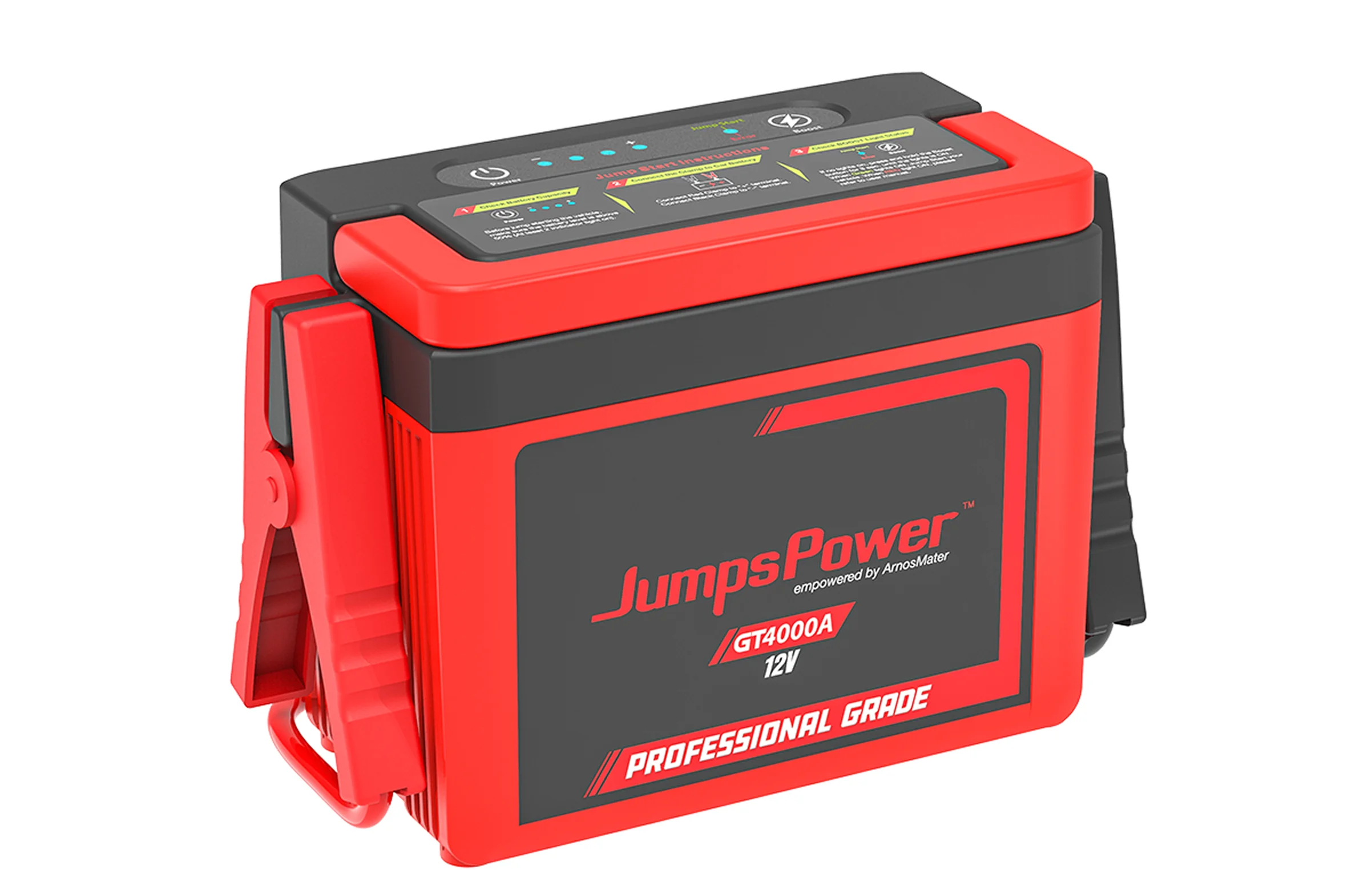
COMMERCIAL HIGH-OUTPUT 12V & 24V JUMP PACKS
Standard consumer jumper cables risk damaging sensitive car electronics due to voltage spikes. RainHook service units use regulated capacitor and lithium technology (up to 4000 Peak Amps) to deliver clean power and safely start various vehicle types on the first try.
4,000A Peak
Zero-Spike Diode
FEATURE 02
ON-SCENE ALTERNATOR & BATTERY LOAD DIAGNOSTICS
Starting the engine does not guarantee your car will restart if underlying issues like a failed alternator diode or sulfated battery cells exist. Once running, a technician uses a digital load analyzer to check the charging voltage and cranking resistance, providing an immediate health report to ensure you aren’t left stranded again.
FEATURE 03
CLEAN CABLE CONNECTIONS &
TERMINAL DE-CORROSION
In our damp Pacific Northwest climate, lead terminals rapidly develop white and turquoise copper sulfate buildup. This microscopic crust acts as an electrical insulator, preventing amperage from reaching the starter solenoid even if the battery holds full potential.
Our roadside response kit includes terminal wire wire- rushes, neutralizing spray, and terminal socket tools. If your clamps are loose or fouled, we strip the corrosion and torque them to spec so electrical resistance drops to zero.
FREQUENTLY ASKED
GOT QUESTIONS?
Here are honest, plain-English answers to common
concerns motorists have before requesting this service.
When performed correctly, jumpstarting is generally safe for most vehicles. However, incorrect cable connections, voltage spikes, or using the wrong equipment can damage sensitive electronics. Hybrid and electric vehicles require extra care because their high-voltage systems are different from conventional cars. Only the vehicle’s approved 12-volt battery system should be serviced, following the manufacturer’s instructions.
If your vehicle starts after a jump but the battery quickly loses power again, the battery may be worn out or there may be an issue with the charging system, such as the alternator. In that situation, the battery and charging system should be tested to determine whether a replacement or further repair is needed.
After a successful jumpstart, it is generally recommended to drive the vehicle for around **20–30 minutes** to allow the charging system to replenish the battery. Simply leaving the engine idling may not charge the battery as effectively. If the battery dies again soon afterward, it should be professionally tested.
Yes, in many cases. A portable jump starter can often be used without positioning another vehicle directly in front of the car, making it useful in tight garages and confined parking spaces. As long as the battery or designated jump points can be safely accessed, a jumpstart can usually be performed.
AVAILABLE 24 HOURS | 7 DAYS | 365 DAYS
DEAD BATTERY LEAVING YOU STRANDED?
Call our direct dispatch line at (206) 255-3446 for immediate mobile tire assistance across Seattle.